Love Languages
Acts of Service: loving through actions, not just words
Acts of Service: when helping is the clearest way to show love For people whose main language is acts of service, nice words can feel hollo…
6 min readRead
Articles on personality, psychology, and curiosities, on the positive side, to go along with our tests.
Acts of Service: when helping is the clearest way to show love For people whose main language is acts of service, nice words can feel hollo…
The contextadaptive style doesn't have a fixed risk tolerance: it shifts a lot depending on the area, cautious in some facets of life and b…
Problemfocused coping: act first, feel later Problemfocused coping is one of the two major functions of coping described by psychologists R…
Emotionfocused coping: feel before you act Emotionfocused coping is the second major style in Richard Lazarus and Susan Folkman's classic m…
Social support coping: facing stress alongside others Social support coping describes a clear strategy: faced with stress, you actively tur…
Avoidant coping: looking away, at least for now Avoidant coping describes the tendency to put off or look away from a stressful situation,…

Agreeableness is the personality dimension that places each person on a spectrum: at one end, a prosocial orientation (cooperating, trustin…
The adventurous friend brings what routine can't provide on its own: the sense that there are still new things left to discover together. T…
The confidant friend offers something scarce in many relationships: real attention, with no rush to give an opinion or change the subject.…
The loyal, steady friend doesn't need noise to hold up the bond: their presence is measured in years, not in messages per day. This article…
The organizer friend is the one who keeps a group alive without anyone asking: they propose, coordinate and keep contact from going cold ou…
Erich Fromm summed up the difference between childish and mature love in four very short sentences. Each one fits on a single line, and bet…
You notice the details other people miss: you'd rather do things right, even if it takes longer, than hand them over with flaws. Before cal…

Health anxiety: when the body becomes a permanent suspect Health anxiety, known for generations as hypochondria, turns a completely normal…
Anxious Attachment: Seeking Closeness to Quiet the Fear of Abandonment Anxious attachment shows up when the need for emotional closeness ru…
Disorganized Attachment: Two Impulses Pulling in Opposite Directions The term disorganized attachment comes from research with infants: it…
Attachment in Relationships: The Pattern Doesn't Look the Same Once You're in a Stable Bond Knowing your attachment style is the first step…
Avoidant Attachment: When Independence Protects Against Closeness Avoidant attachment describes people who prioritize selfsufficiency and f…
Secure Attachment: The Foundation Stable Bonds Are Built On Secure attachment describes people who feel comfortable with both emotional clo…
Arno Stern turned 100 on June 23, 2024. He died a week later, on June 30, in France.
The bold style finds something appealing in uncertainty rather than threatening: it decides fast and tolerates the possibility of losing we…
Emotional selfawareness: recognizing before reacting Emotional selfawareness is the ability to identify precisely what you're feeling while…
Emotional selfregulation: feeling it without letting it decide for you Emotional selfregulation is the ability to manage an intense emotion…

Roger Fisher, a law professor at Harvard, didn't give his students a formula for negotiating better. He gave them a single question that ch…
Big Five and 16 Personalities start from a different decision about how to describe a person: one uses continuous scales, the other uses cl…
The calculated style doesn't avoid risk: it analyzes it. It takes on what's needed when the benefit clearly outweighs the possible cost.
You look after the group's climate as much as the result: you notice tension and the team's mood before anyone else does. When a disagreeme…
Daniel Kahneman didn't just study the anchoring effect in laboratories: he also taught it in his negotiation classes. His advice for handli…

A woman signs the contract for a new car. The tradein value of her old car has just dropped below what she'd originally been promised.
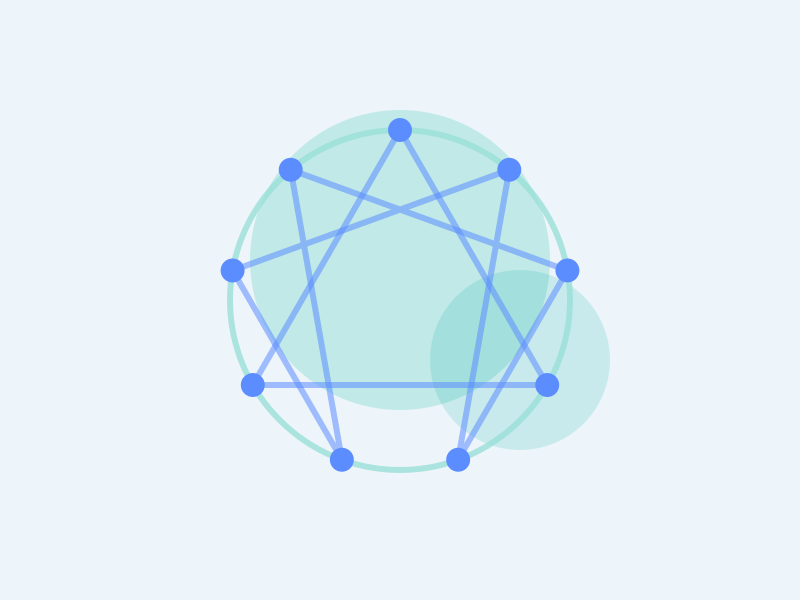
Within this model, finding your Enneagram type means identifying which of nine underlying motivations best explains how a person habitually…
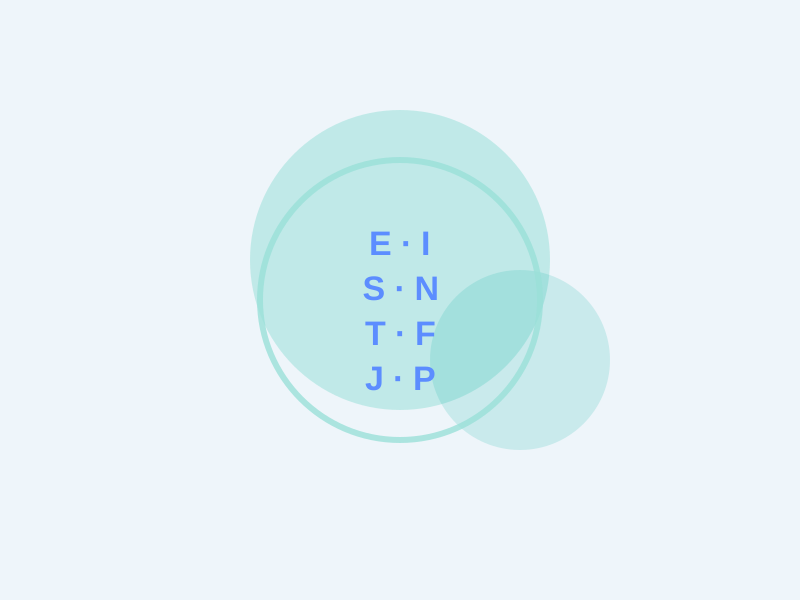
The MyersBriggs Type Indicator (MBTI) is a selfexploration questionnaire that sorts a person's preferences on four scales and sums them up…
The questions on a Big Five test aren't really questions, but statements about you that you rate according to how much you agree. Behind th…

In December 1948, a veteran senator from Texas decided to teach the newly elected Lyndon B. Johnson a lesson in humility, deliberately offe…
Attachment Style Compatibility: Ten Different Ways of Bonding as a Couple Each attachment style (secure, anxious, avoidant, and disorganize…
Aggressive communication prioritizes your own position so directly that it can leave little room for the other person's. This article is pa…
Assertive communication doesn't avoid disagreement or force it: it names it with clarity and respect at the same time. This article is part…
Passive communication avoids conflict in the short term at the price of accumulating unexpressed needs. This article is part of an informat…
Passiveaggressive communication says what passive communication doesn't dare to, but indirectly instead of openly. This article is part of…
Communication by Attachment Style: The Same Conversation, Two Different Starting Points Two people can have the exact same difficult conver…
You connect people, ideas and teams with each other: your contribution usually lies in getting information and people to understand one ano…
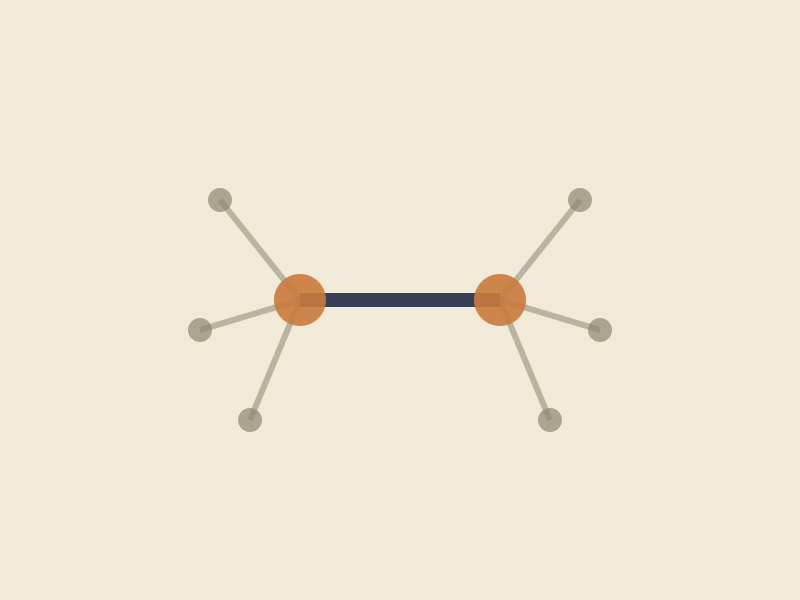
"Connecting" and "relating" sound almost like synonyms, but Zygmunt Bauman argues they aren't: a relationship obligates, a connection doesn…
Trusting a stranger, argued Danish philosopher Knud Løgstrup, is the natural default of human behavior; distrust is the exception that need…
The accommodating style prioritizes the bond over the outcome: it would rather give in than risk the relationship. This article is part of…
The collaborating style treats conflict as a problem to solve together, not as a competition with a single winner. This article is part of…
The competing style prioritizes the outcome over the relationship: it wins the argument, though it doesn't always win the bond. This articl…
The compromising style doesn't look for the perfect solution; it looks for a reasonable, quick one. This article is part of an informationa…
The avoiding style isn't always running from the problem: sometimes it's waiting for the right moment to address it. This article is part o…

Conscientiousness is one of the five dimensions of personality: the one that describes the ability to regulate impulses, set longterm goals…

Physical touch: when closeness says what words don't quite reach For people whose main language is physical touch, a hug, a hand on the sho…
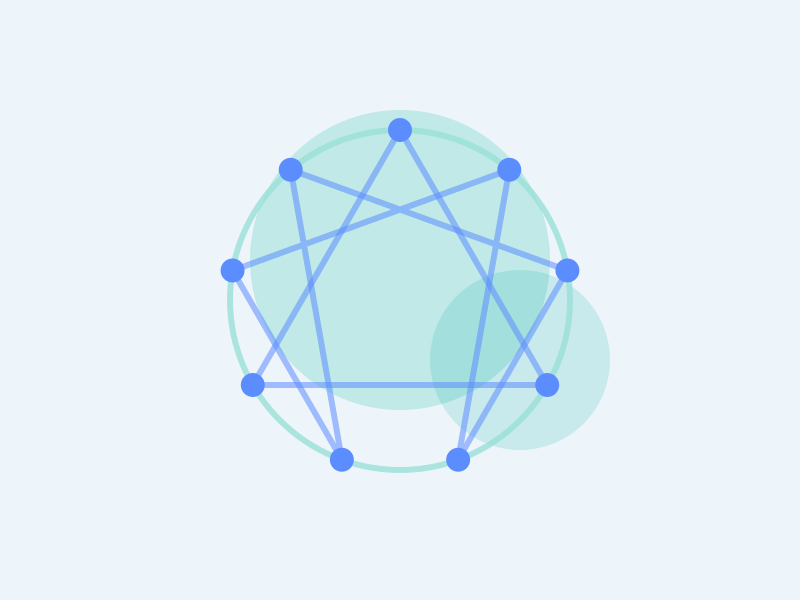
No Enneagram test has validity demonstrated at the level of Big Five questionnaires, so the "best" one depends on what you want it for. For…